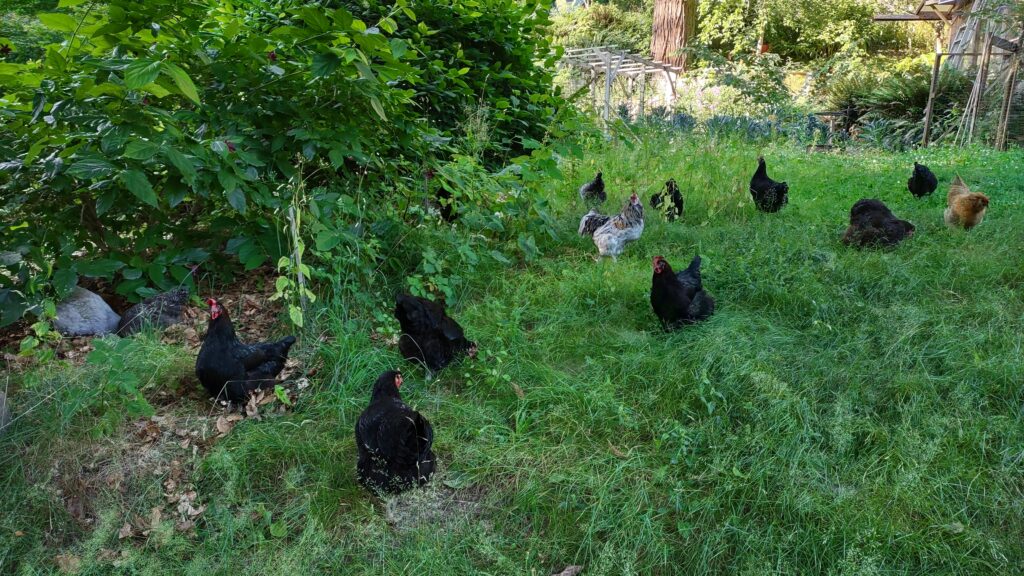
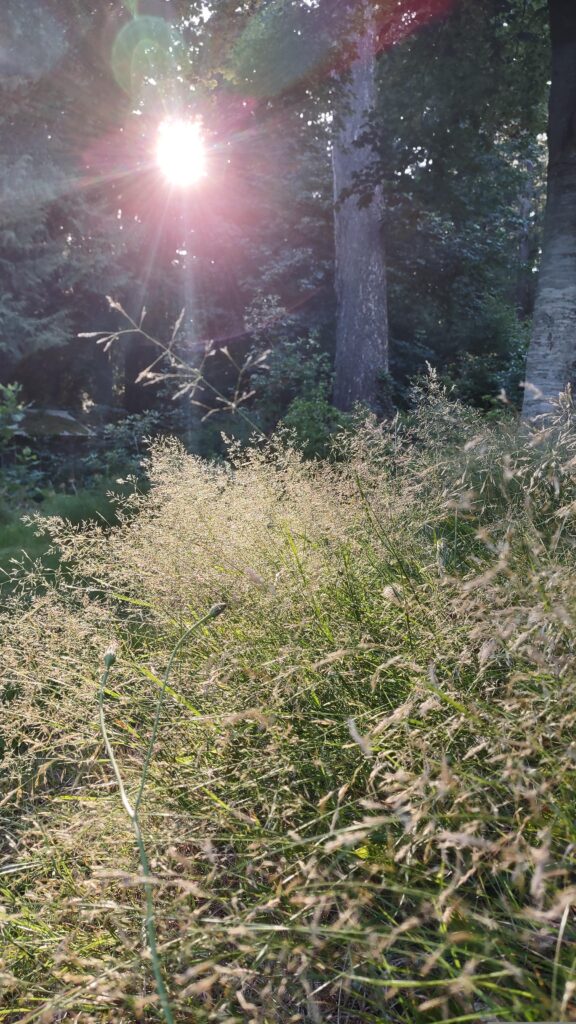
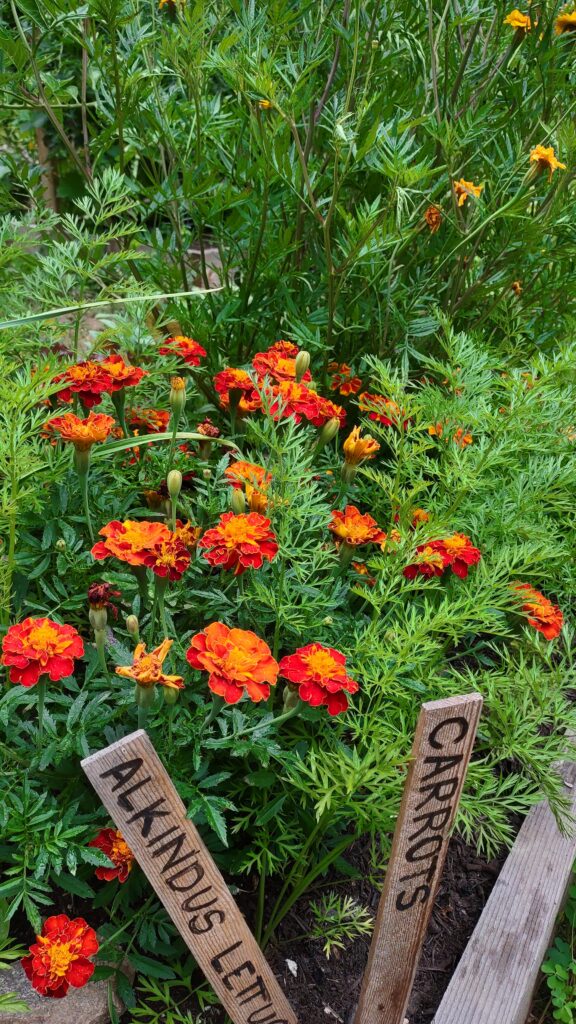
After my dad died, in 2015, my Mum saw me grieving and told me to paint something beautiful. I didn't have it in me, and I painted a whole lot of anger and pain. Sometimes we just have to paint our truth. But… what we create becomes our truth, as well. My mother also told me–countless times throughout my life–that if I wanted to feel happy, I could just make myself smile. That's the last thing you want to hear when you need to be seen and heard; when your experience needs to be acknowledged. But it's also true. And it's been the way I manage the worst experiences life throws at me. I stretch my lips out sideways, rub my cheeks vigorously, and just grin. I fake a laugh until I feel how silly I am, and it becomes real. I paint the most beautiful things I know–the birds and trees and plants and wind and flowers–until their beauty fills up the void left by the pain.
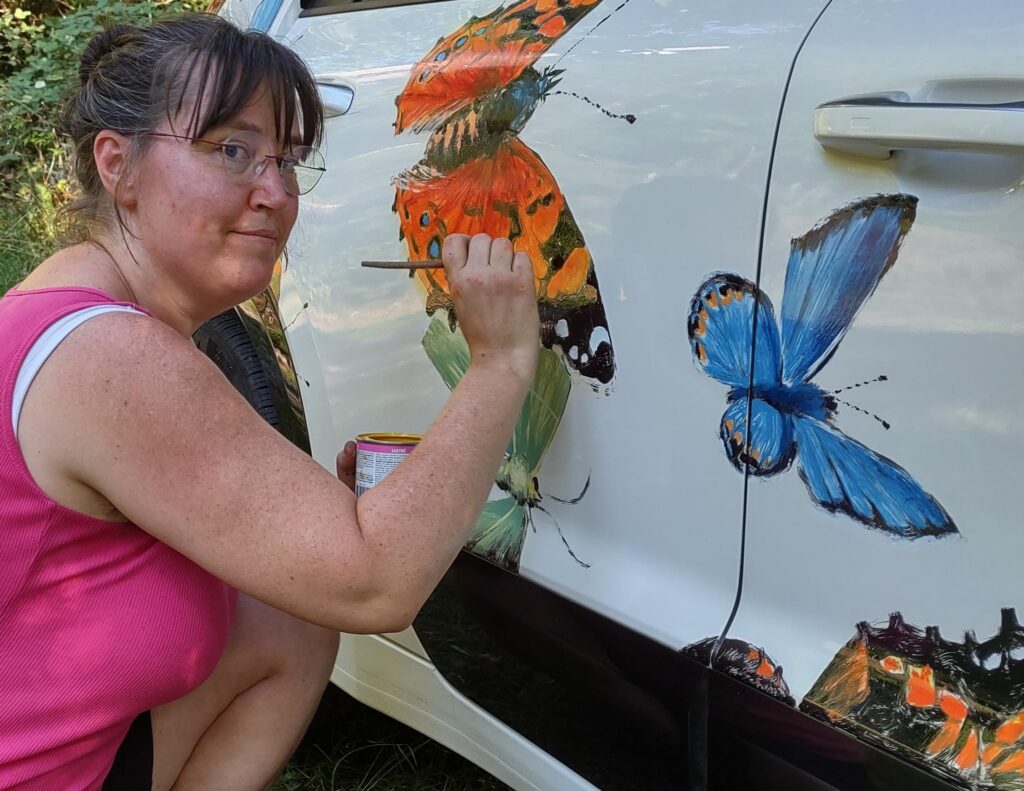
When my mother was dying, I painted my car. I covered it with butterflies. "Why?!" People asked me. "Oh the resale value!!" But I did it because beauty. Because the local species of butterflies and moths I painted remind me of a happy day in my garden, and of the butterfly-effect, where small acts of beauty (like painting my car) might in turn create much larger beauty. I painted it because I don't want to live in a world where something as essential to my life as my vehicle is effectively just a gamble against the future, waiting to be re-sold. And I painted it because my mother was dying, and I needed something joyful to do, in between the doom and pain that pervaded our days.
It's not that the pain is really gone, of course, just because we create some beauty. We still need to deal with the horrors of life, and to heal the pain, itself. But at the same time, the world is carrying on around us, and we are contributing to how it grows, whether we're aware of it or not.
Decades of studies have shown us, by now, that the media we consume affects how we experience the world around us. What about what we create? What about how we create? I spent a few years creating social media videos about our local ecology and my nascent regenerative food farm. Making the videos forced me to consider the way I spoke about those things. Editing the videos made me think about how my words would come across to others. Publishing the videos exposed me not only to generally positive feedback from viewers, but also to other videos with similarly nature-celebrating themes that came up in my own feeds.
On the other hand, I've also landed in negative feedback loops, for example when posting my negative political views on our local forum. People fought me, I became angry and argued back, people stated all kinds of further negativity, and generally the conversations devolved, and community bonds broke. I'm not trying to imply that we shouldn't speak up for causes we think are important, but how we do it matters greatly.
What if, instead of calling out harmful things we notice (or in addition to calling them out, if they really need to be stopped imminently), we built the world we want, right alongside the world we don't want, and just lived in that world we want? Would others join us? I think so! Or maybe they'd all be building their own utopias, and one day there would simply be more of us living in joy than in fear and resentment. What if, instead of being ugly with our thoughts, we were beautiful?
It's not possible to be beautiful all the time. Sometimes we just have to curl up in a ball and let the sad times roll over us. But I feel like I come out of such times healthier when I've cultivated enough beauty inside of me that some of it is still there to blossom, when the tears dry up. Then there's more of me to go about building the world I want, by making all life's little choices in line with my vision for a beautiful world.
My mother's gone, now, so I have to summon the memory of her voice in my heart: Emily, make something beautiful. And I, like she, and like you, have to be that voice for ourselves and others. Go make something beautiful. Be beautiful. Find what brings you joy and cultivate it.